What is Self-Cleaning Mode on a Portable Ice Maker?
Self-cleaning mode on a portable ice maker is an automated maintenance cycle. This feature, common on models ranging from $100 to $300, is designed to circulate water and, ideally, a cleaning solution through the appliance's internal water lines, pump, and ice-making components. Its main purpose is to tackle mineral buildup, also known as limescale, which can accumulate over time from tap water.
Mineral deposits form when water evaporates, leaving behind calcium and magnesium. These deposits can clog water nozzles, reduce ice production efficiency, and even introduce off-flavors to your ice. A self-cleaning cycle aims to dissolve these deposits and flush them out of the system. This process is distinct from sanitization, which targets bacteria or mold, although a clean internal environment naturally discourages microbial growth.
How Self-Cleaning Mode Works
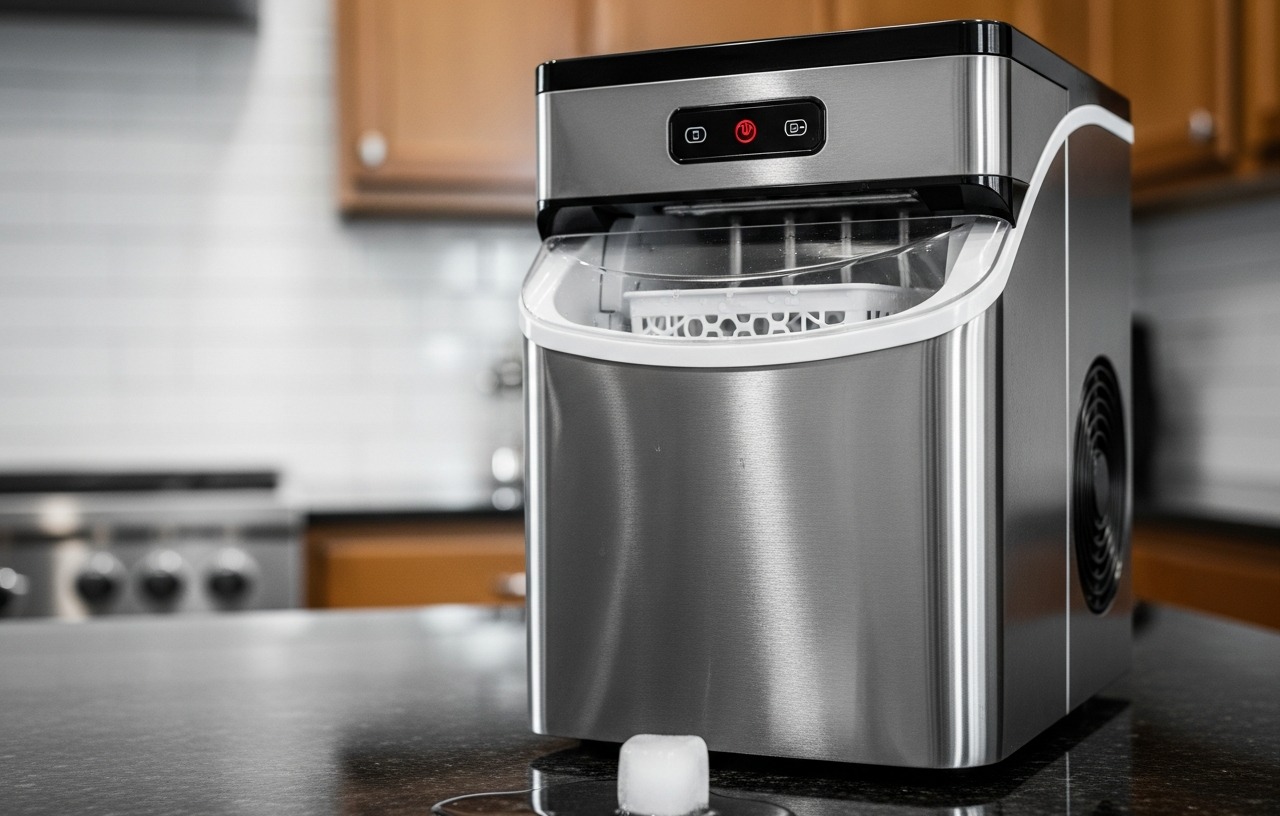
Activating the self-cleaning mode typically involves a simple button press. Most portable ice makers, such as those producing 26 to 40 pounds of ice daily, have a dedicated "Clean" or "Self-Clean" button on their control panel. Once engaged, the machine initiates a pre-programmed sequence. This sequence generally involves circulating water from the reservoir through the water pump, over the evaporator coils, and back into the reservoir, often for a duration of 15 to 30 minutes.
The Cleaning Cycle Steps
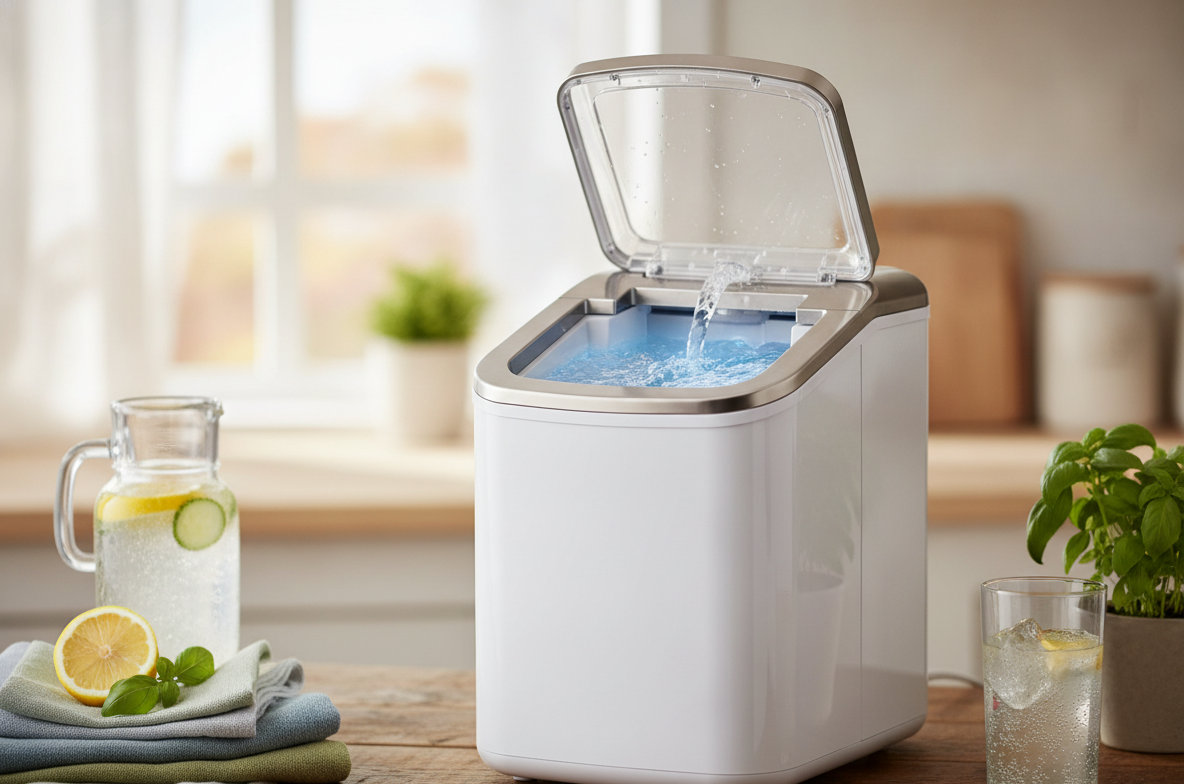
- Emptying and Filling: The user first empties any remaining water from the reservoir and removes the ice basket. Some manufacturers recommend adding a specific amount of water, often 1 to 2 liters, to the reservoir.
- Adding Cleaning Solution: For effective cleaning, a mild acidic solution is often added to this water. Common recommendations include a mixture of white vinegar and water (typically a 1:1 ratio) or a diluted commercial ice maker cleaner containing citric acid.
- Circulation: The ice maker's pump activates, drawing the cleaning solution from the reservoir. This solution is then pushed through the water distribution tray, over the evaporator fingers (where ice forms), and through the internal tubing. The solution then drains back into the reservoir, creating a continuous loop.
- Rinsing: After the initial cleaning circulation, the machine usually requires a rinse cycle. This involves draining the cleaning solution completely, refilling the reservoir with fresh, clean water, and running the self-clean mode again. This second cycle flushes out any residual cleaning agent and loosened mineral particles. Some units may require two or three rinse cycles to ensure all cleaning solution is removed.
- Final Drain: Once the rinse cycles are complete, the user drains the water one final time and wipes down accessible surfaces.
This automated circulation targets areas that are difficult to reach manually, such as the inside of the water pump and the narrow water lines. The effectiveness largely depends on the cleaning agent used and the frequency of the cycle.
What Self-Cleaning Mode Does (and Does Not) Remove
Understanding the capabilities and limitations of self-cleaning mode is important for proper appliance maintenance. This feature is highly effective at dissolving and flushing away hard water mineral deposits. These deposits are the primary cause of reduced ice production, cloudy ice, and potential clogs within the water system. Using a descaling agent like white vinegar or citric acid during the cycle significantly boosts its ability to break down limescale.
However, self-cleaning mode has limitations. It does not effectively remove:
- Mold and Mildew: While a clean environment discourages mold, the self-cleaning cycle alone often lacks the physical scrubbing action and high concentration of sanitizing agents needed to eliminate established mold or mildew growth. These require manual cleaning with a brush and a more potent disinfectant.
- Significant Debris: Large particles of dust, dirt, or food crumbs that might fall into the water reservoir will not be fully removed by simple circulation. These require manual removal and wiping.
- Stains: Discoloration or stains on the plastic components, often caused by prolonged exposure to hard water or certain contaminants, are unlikely to be lifted by the self-clean cycle.
For truly comprehensive hygiene, self-cleaning mode should be seen as a preventative measure and a supplement to, rather than a replacement for, regular manual cleaning. A portable ice maker that has not been properly cleaned can lead to issues like ice that tastes bad or the machine failing to make ice at all. Learn more about common ice maker problems and fixes.
When and How Often to Use Self-Cleaning Mode
The frequency of using your portable ice maker's self-cleaning mode depends on several factors, primarily the hardness of your water and how often you use the machine. For average use with municipal tap water, running the self-cleaning cycle once every one to two weeks is a good starting point. If you live in an area with particularly hard water, characterized by noticeable mineral buildup in kettles or showerheads, consider running the cycle weekly.
Infrequent use also warrants cleaning. If your ice maker sits unused for an extended period, such as a month or more, run a self-cleaning cycle before its next use. This clears out any stagnant water and prevents the growth of bacteria or mold in the water lines. Always make sure to drain the reservoir completely before storage.
Some ice makers, like certain compact models from Igloo or Frigidaire, will flash a "Clean" indicator light after a certain number of ice-making cycles or operating hours. This serves as a helpful reminder. Pay attention to signs of mineral buildup, such as cloudy ice, a white film developing on the water reservoir walls, or slower ice production. These indicate it is time for a cleaning cycle.
Beyond Self-Cleaning: Manual Cleaning is Essential
While self-cleaning mode handles internal circulation, it does not address all aspects of hygiene. Manual cleaning remains a critical part of maintaining any portable ice maker. The water reservoir, ice basket, and exterior surfaces require hands-on attention.
Manual Cleaning Steps
- Unplug and Empty: Always unplug the unit before cleaning. Drain all water from the reservoir and remove the ice basket.
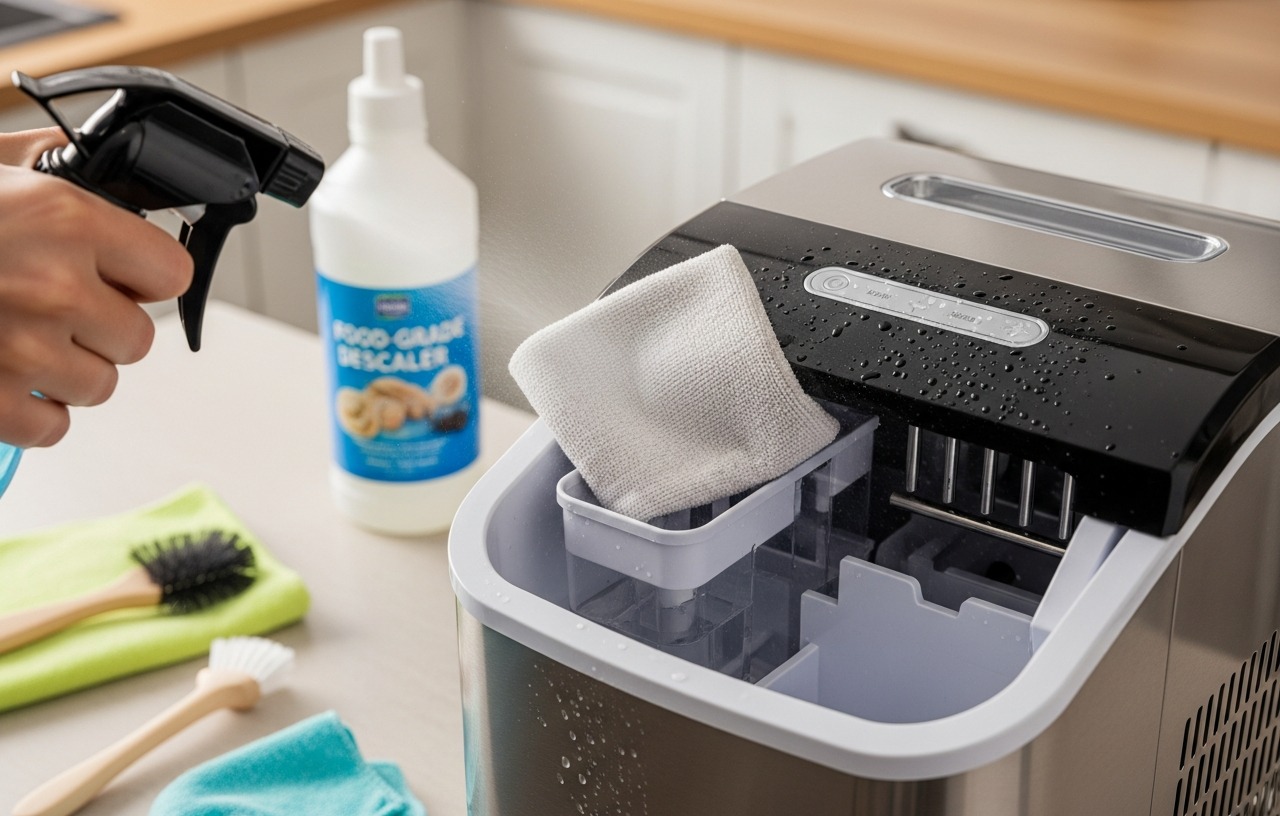
- Wipe Down Interior: Use a soft cloth or sponge dampened with warm, soapy water to wipe down the inside of the water reservoir. Pay attention to corners and crevices where mold or mildew can accumulate. For stubborn spots, a mixture of equal parts white vinegar and water can be used.
- Clean the Ice Basket and Scoop: Wash the ice basket and any accompanying ice scoop with warm, soapy water, then rinse them thoroughly. Allow them to air dry completely or dry with a clean towel.
- Sanitize: For deeper sanitization, a solution of one teaspoon of bleach per gallon of water can be used to wipe down the interior surfaces. Rinse thoroughly multiple times with fresh water afterward to remove any bleach residue. Alternatively, a citric acid solution is a food-safe option.
- Exterior Cleaning: Wipe down the exterior of the ice maker with a damp cloth. Make sure to keep the control panel dry.
- Air Dry: Leave the lid open for several hours after cleaning to allow the interior to air dry completely. This prevents mold and mildew growth in a closed, damp environment.
Neglecting manual cleaning can lead to unpleasant odors, compromised ice quality, and even operational issues. A comprehensive cleaning routine that combines both self-cleaning and manual effort ensures the longevity and safe operation of your appliance. For a detailed guide on manual cleaning, read our step by step instructions.
Recommended Cleaning Agents for Self-Cleaning Mode
The choice of cleaning agent significantly impacts the effectiveness of your portable ice maker's self-cleaning mode. For optimal results, you need a solution that can dissolve mineral deposits without damaging the internal components.
Common and Effective Cleaning Agents:
- White Vinegar: This is a highly accessible and cost effective option. Its acetic acid content is effective at breaking down limescale. A common recommendation is to use a 1:1 mixture of white vinegar and water. For heavily scaled machines, a stronger concentration (e.g., 2 parts vinegar to 1 part water) can be used, but always make sure to follow with multiple plain water rinse cycles to remove the strong odor and taste of vinegar. A gallon of white vinegar typically costs $3 to $6.
- Citric Acid: Available in powder form, citric acid is a food-grade acid that is also excellent for descaling. It is odorless and less aggressive than vinegar, making it a good choice for those sensitive to vinegar's smell. Typically, one to two tablespoons of citric acid powder dissolved in a liter of water is sufficient for a cleaning cycle. A 1-pound bag of food-grade citric acid costs around $10 to $15 and lasts for many cleanings.
- Commercial Ice Maker Cleaners: Many brands offer specialized ice maker cleaning solutions. These often contain a blend of acids, like citric or phosphoric acid, specifically formulated to be safe for ice maker components. Always follow the manufacturer's instructions for dilution and use. These cleaners generally cost $8 to $15 per bottle and are designed for convenience and efficacy.
Avoid harsh chemical cleaners, abrasive scrubbers, or solvents like alcohol or petroleum-based products. These can damage the plastic and metal components of your ice maker, potentially voiding the warranty and contaminating your ice. Stick to mild, food-safe acids for descaling.
Preventing Future Buildup and Optimizing Performance
Proactive measures can significantly reduce the need for frequent deep cleaning and extend the life of your portable ice maker. The quality of water you use is the most critical factor.
Tips for Prevention:
- Use Filtered or Distilled Water: Tap water, especially in hard water areas, is the primary source of mineral buildup. Using filtered water, or even distilled water, drastically reduces the mineral content entering your machine. Distilled water is almost entirely free of minerals, preventing limescale almost entirely. A gallon of distilled water costs about $1.50.
- Empty and Dry After Each Use: If you do not plan to use your ice maker for more than a day, drain the reservoir completely and leave the lid open to allow the interior to air dry. This prevents standing water from evaporating and leaving behind mineral residue, and it also discourages mold growth.
- Regular Wiping:
- Positioning: Place your ice maker in a cool, well-ventilated area. High ambient temperatures can cause water to evaporate faster, leading to quicker mineral accumulation. Make sure there is adequate clearance around the unit, typically 4-6 inches, for proper ventilation.
By incorporating these habits, you can minimize the effort required for self-cleaning and manual cleaning, keeping your portable ice maker operating efficiently and producing fresh, clear ice.
Conclusion
Self-cleaning mode on a portable ice maker offers a convenient way to manage internal mineral buildup, contributing to the appliance's longevity and ice quality. It is a valuable feature for regular maintenance, particularly when paired with a mild acid solution like white vinegar or citric acid. However, it is not a standalone solution for complete sanitation. Regular manual cleaning of the reservoir and ice basket remains indispensable for preventing mold, removing debris, and maintaining overall hygiene. Combining the automated self-cleaning cycle with consistent manual efforts and using filtered water ensures your portable ice maker continues to produce clean, fresh ice efficiently.